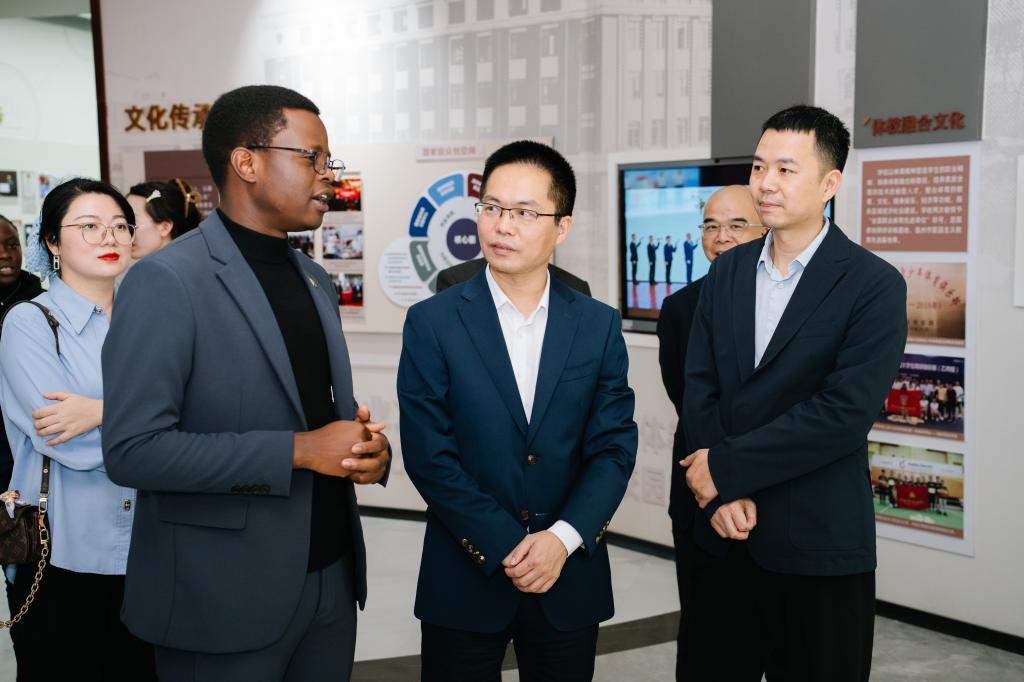
On October 31st, Zhejiang Industry & Trade Vocational College (ZJITC) held a seminar on the development of the Zimbabwe Chinese Language Workshop with Dinson Holding of Tsingshan Group. Xu Kemin, President of Dinson Industry, led a delegation to the college for discussion and tour. President Yu Chuang, Vice President Wang Yan, and other faculty representatives attended the meeting. The seminar also invited Tungamirai Eric Mupona, vice chairman of China Zimbabwe Exchange Centre and chairman of Zimbabwe China Overseas Students Alumni Association, as well as Ye Sisi, administrative general manager, and He Shaobo, assistant general manager, both from Zhejiang Dinson Holding. Also attending the seminar were the directors of the college’s International Exchange and Cooperation Office and Academic Affairs Office, as well as the deans of the School of Optoelectronic Manufacturing and School of Modern Management. Wang Yan chaired the meeting.
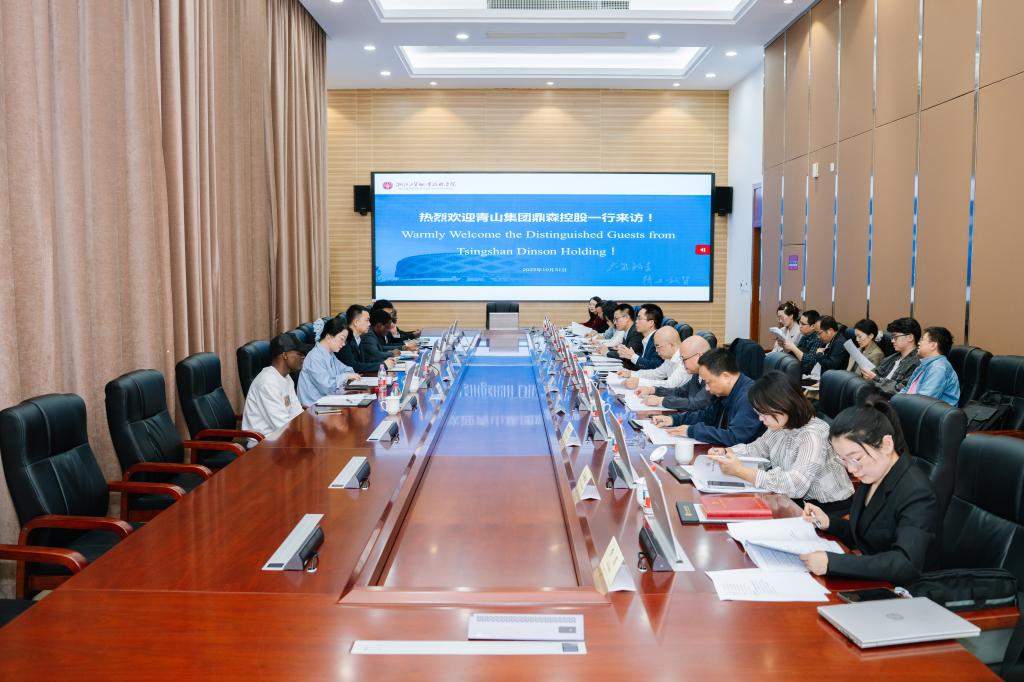
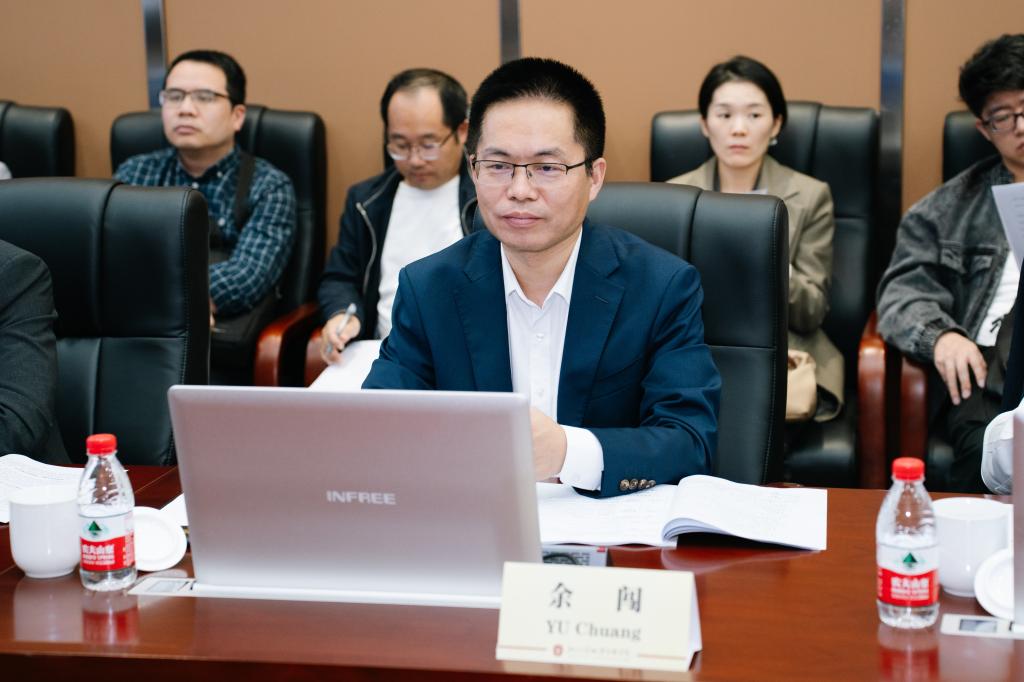
President Yu Chuang extended a warm welcome to President Xu Kemin and his delegation, and emphasized the college’s commitment to serving national strategies and regional economic development. He noted that the college’s program offerings and school-running characteristics were highly aligned with Tsingshan Group’s industrial layout with broad room for cooperation, especially in fields such as intelligent manufacturing and new materials. Yu stated that the joint development of the Chinese Language Workshop in Zimbabwe would create a new model for international industry-education collaboration, enhancing service capabilities for global industrial cooperation, and promoting deep partnerships in talent cultivation, faculty development, and technological innovation.
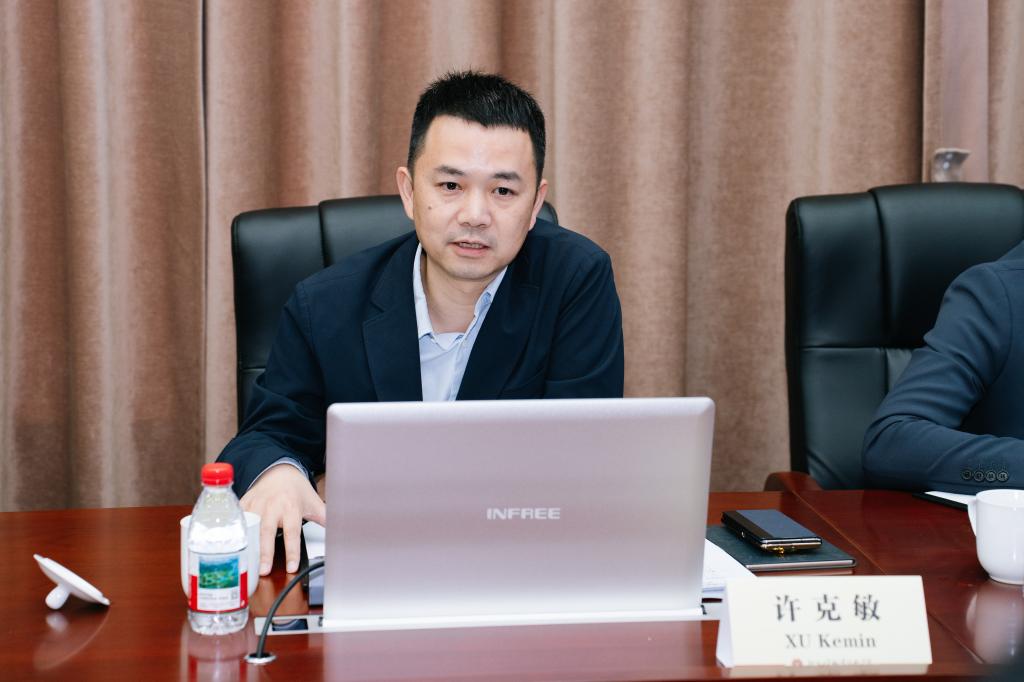
Xu Kemin expressed his gratitude for the college’s warm reception and spoke highly of the development plan for the Chinese Language Workshop. He pointed out that the workshop was highly in line with the cooperative philosophy of “integration and connectivity, co-construction and sharing”. It not only served the overall situation of China’s “Belt and Road” Initiative, but also promoted the process of the enterprise’s localized development. Moreover, by cultivating local employees who understood the Chinese language and possessed proficient skills, it would inject new momentum into the local industrial upgrading and social development. Xu emphasized that the top priority of the workshop development was to strengthen the precise positioning of training targets, focus on the core needs of various job positions within the enterprise, and systematically build a hierarchical and classified talent training system, ensuring that talent training was in sync with enterprise development and local needs.
Tungamirai Eric Mupona also delivered a speech on the development of the workshop. He recommended fully integrating local educational characteristics into the project by drawing on the proven experience of teaching materials development from the Confucius Institutes in Zimbabwe, and aligning classroom instruction with the learning habits of local students. This approach, he noted, would enhance teaching effectiveness through mutual cultural integration. He further proposed continuously improving the curriculum system based on actual teaching feedback, so as to ensure that the workshop construction not only maintained Chinese characteristics but also met local practical needs.
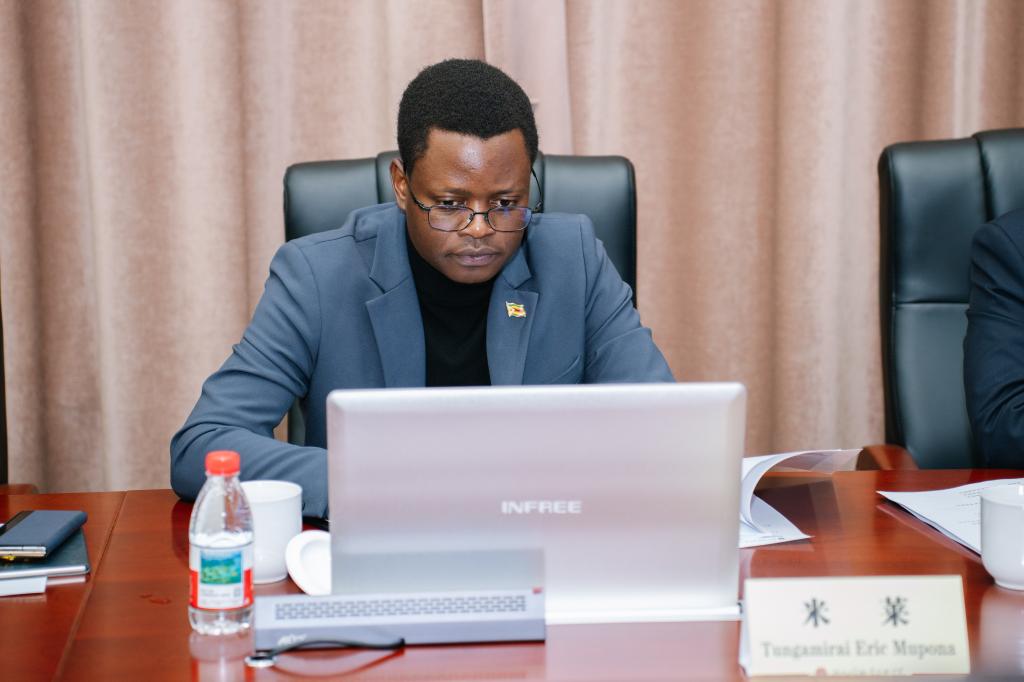
At the seminar, representatives from the International Exchange and Cooperation Office of ZJITC and the leaders responsible for workshop resources development respectively gave briefings on the progress of the Chinese Language Workshop and the development of key curriculum resources. Prior to the seminar, Xu Kemin and his delegation toured the College History Museum, and the School of Optoelectronic Manufacturing.